
MOBILE SERVICE ACROSS THE UNITED STATESAgricultural Equipment Shrink Wrap Protection
Large agricultural equipment and components face weather, road debris, dirt, moisture, and long periods of exposure during storage or transportation. United Shrink Wrap creates custom-fitted systems around the equipment and the conditions ahead.
Protect Large Equipment Between the Field, Facility, and Final Destination
Agricultural machinery is built to work hard, but exposed finishes, components, openings, and sensitive systems can still be affected during transport or extended storage. Shrink wrap creates a fitted temporary barrier that helps keep equipment cleaner and better protected until it is ready for use, delivery, export, or installation.
Because agricultural assets vary widely in size and profile, we review the equipment, attachments, transport configuration, access requirements, and storage environment before preparing the scope.
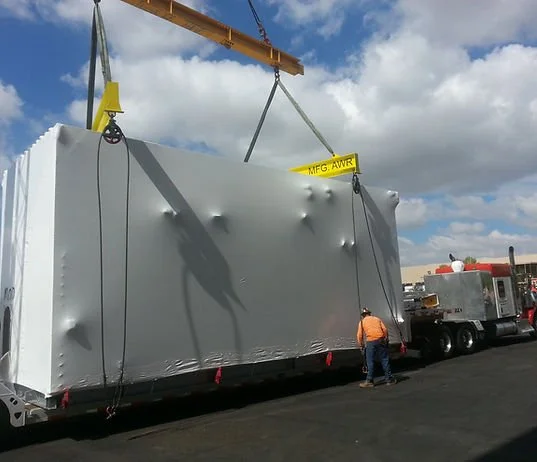
Project Benefits
Custom fit for oversized and irregular equipment
Helps reduce exposure to moisture, dust, dirt, and UV
Protects surfaces and openings during storage or transportation
Can accommodate project-specific access or ventilation needs
Mobile installation at farms, dealers, manufacturers, yards, and shipping locations
Nationwide project availability
Common Applications
Large agricultural machinery
Implements and attachments
Equipment components and assemblies
New equipment awaiting delivery
Machinery prepared for export or long-distance transport
Seasonal or project-based equipment storage
Why United Shrink Wrap
United Shrink Wrap combines practical field experience with careful planning. We develop the installation around the equipment's dimensions, vulnerable points, storage conditions, and transport plan so the wrap is prepared for real-world use.
Nationwide Deployment
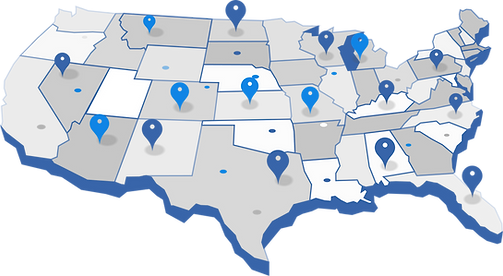
United Shrink Wrap is based in Michigan and available for commercial projects throughout the United States. Send us the project location, asset information, schedule, and photos so we can evaluate travel and installation requirements.
Start With the Scope
Tell us what needs protection, where it is located, how it will be stored or transported, and when the project must be completed.